

UX Strategy for Technical Troubleshooting & Operational Support
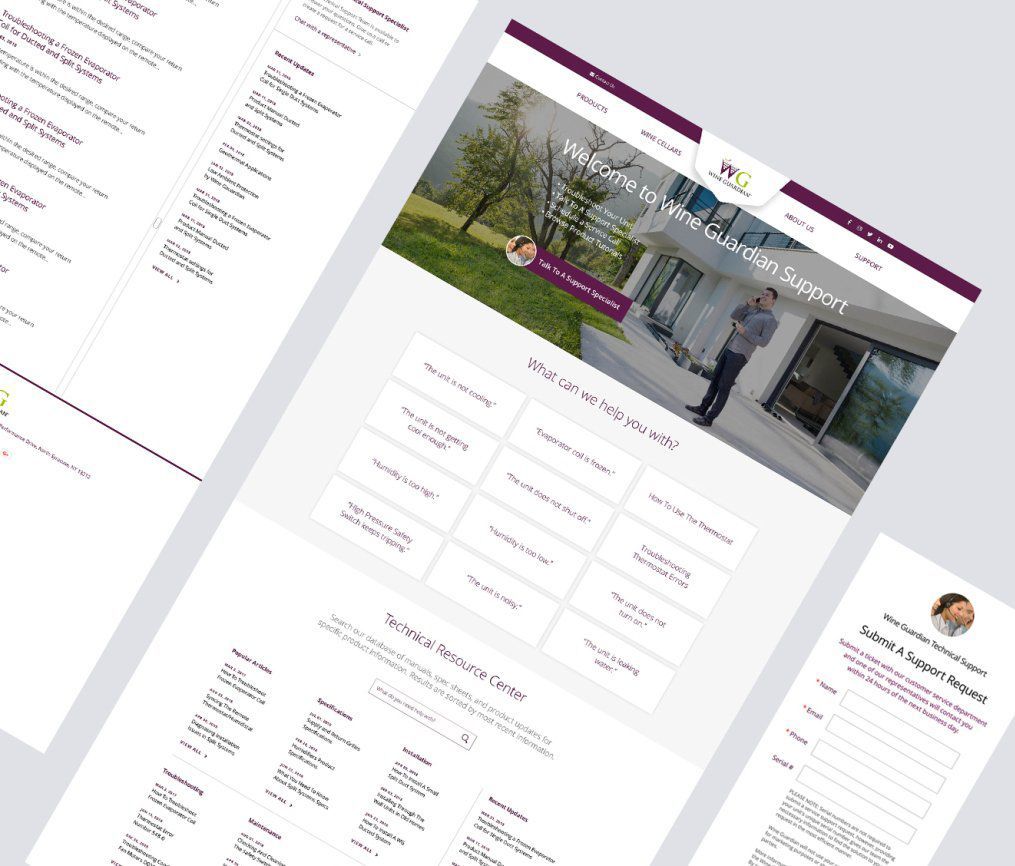
Wine Guardian, a product line manufactured by Air Innovations, required a scalable support platform to help customers troubleshoot cooling system issues while reducing operational strain on customer service teams. Upstate Interactive partnered with Air Innovations to design a mobile-responsive support application integrating troubleshooting workflows, service ticket creation, product documentation, and support escalation.
I led UX discovery, workflow analysis, user research, and interface strategy for the platform, translating complex technical support processes into intuitive workflows for customers, technicians, dealers, and internal support teams.
The Challenge
Wine Guardian’s support process involved multiple operational stakeholders, fragmented communication paths, and high volumes of repetitive troubleshooting requests. Customers often struggled to identify issues, locate serial numbers, or determine whether a technician was required, creating unnecessary operational overhead and support delays.
Key challenges included:
- simplifying technical troubleshooting workflows
- reducing customer support touchpoints
- supporting multiple operational user groups
- balancing self-service with escalation paths
- designing scalable troubleshooting decision trees
- improving operational visibility across support workflows
- integrating ticketing, support, and product resources into a unified system
The project required designing not simply an “app,” but a broader operational support ecosystem capable of streamlining customer service workflows at scale.
Discovery & Workflow Analysis
The discovery process focused heavily on understanding operational support behaviors across all stakeholder groups. These findings directly informed the platform architecture and workflow logic.
Research activities included:
- customer interviews
- technician interviews
- dealer interviews
- support staff interviews
- workflow mapping
- support escalation analysis
- troubleshooting categorization
- support ecosystem analysis
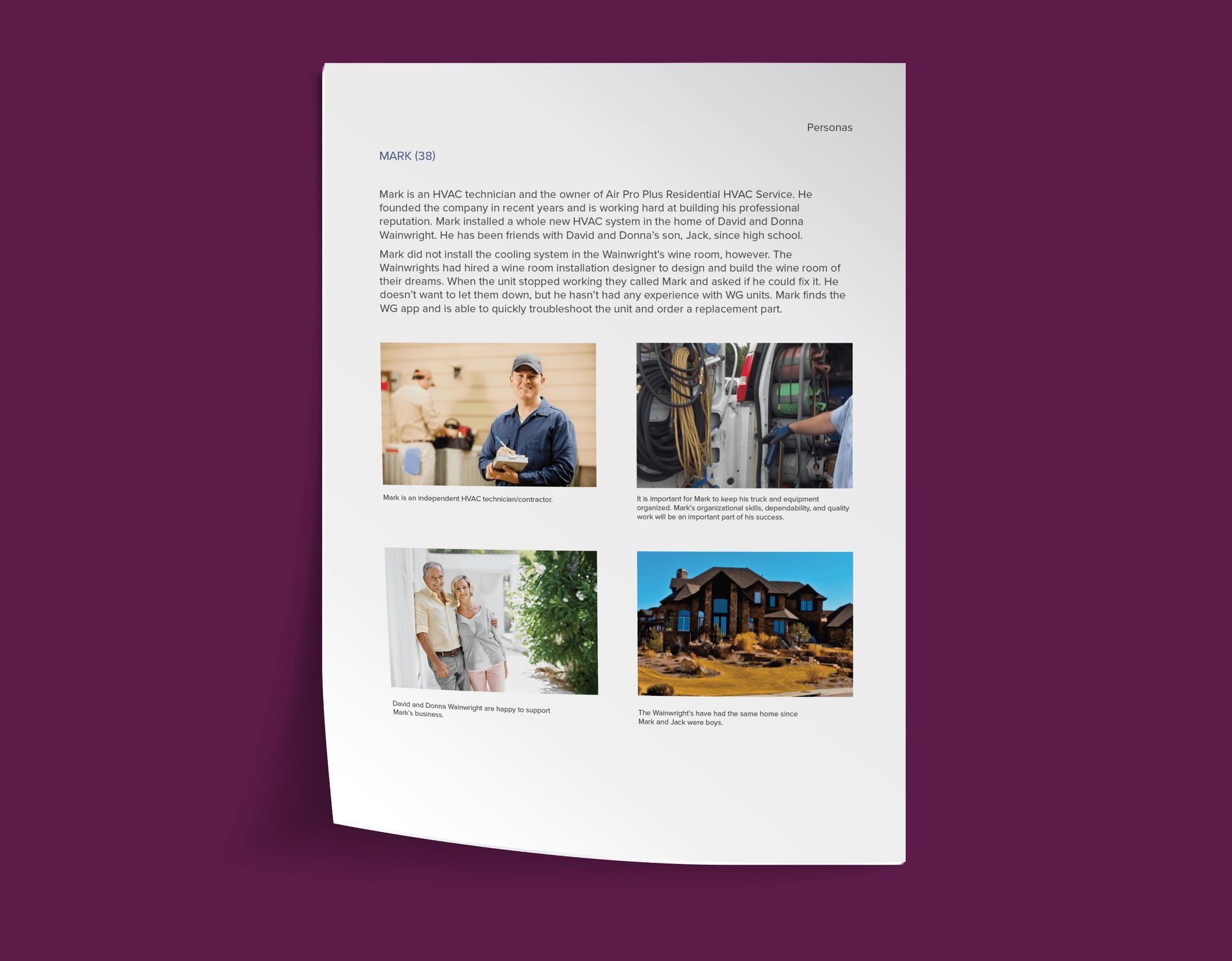
Research revealed several critical operational insights:
- customers operated with high urgency during support interactions
- serial numbers were often difficult to access
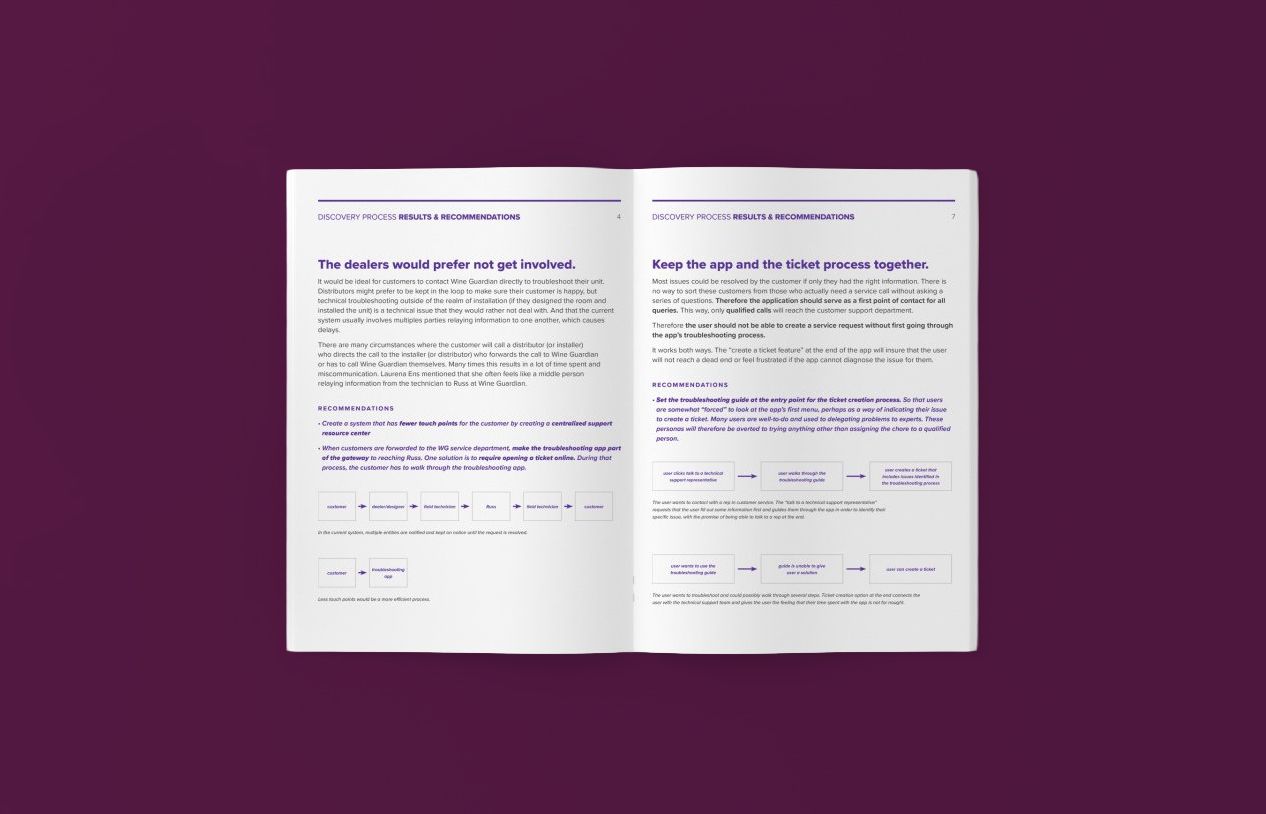
- support requests frequently bounced between dealers, installers, technicians, and support staff
- many troubleshooting issues could be resolved without technician intervention
- advanced troubleshooting increased risk and user frustration
UX Strategy & Workflow Design
The UX strategy used a guided troubleshooting flow that identified issues in four clicks or fewer before escalating to ticket creation or parts ordering. The design balanced self-service with clear escalation paths to reduce frustration.
The platform experience emphasized:
- operational clarity
- guided troubleshooting
- scalable support workflows
- simplified technical communication
- reduced workflow friction
- centralized support resources
- decision-tree-based navigation
The system integrated:
- troubleshooting guidance
- service ticket creation
- product documentation
- searchable support resources
- technician escalation pathways
- operational analytics recommendations
Operational Systems Thinking
A major focus of the project was reducing operational inefficiency across the broader support ecosystem. The system was designed not only to support customers, but also to improve operational visibility and efficiency for internal support teams and external technical partners.
Recommendations included:
- consolidating support resources into a centralized support center
- integrating ticketing with troubleshooting workflows
- improving support analytics tracking
- implementing content management workflows
- reducing redundant support handoffs
- enabling scalable article and documentation management
Prototyping & Validation
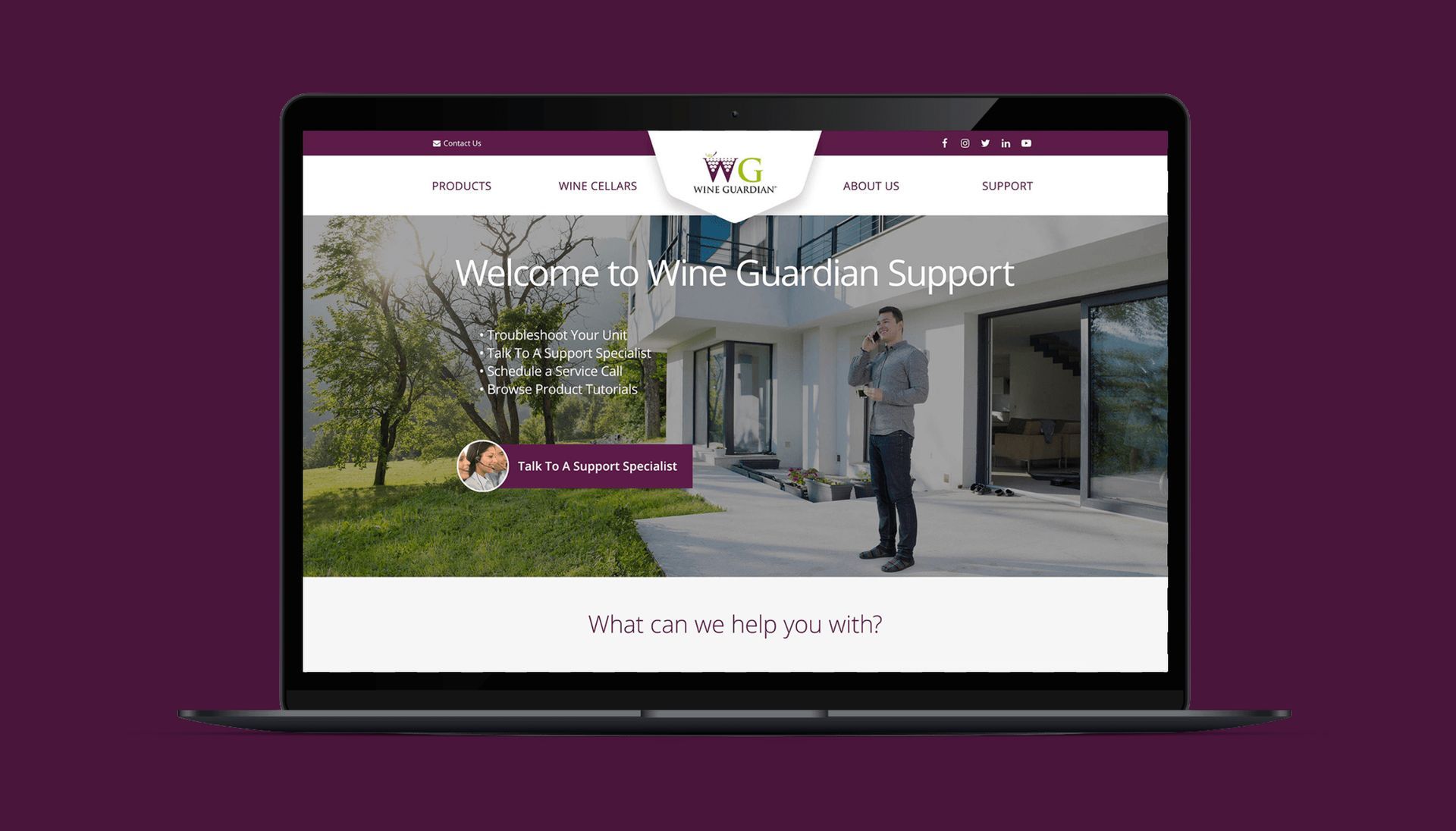
The resulting prototype demonstrated how complex troubleshooting workflows could be translated into a structured, intuitive support experience across both desktop and mobile environments.
Based on discovery findings, I developed:
- workflow diagrams
- wireframes
- interactive decision-tree flows
- high-fidelity prototypes
- troubleshooting navigation structures
- operational support recommendations
Operational Impact
The project established a scalable UX framework for technical product support capable of improving operational efficiency while reducing customer frustration and unnecessary support escalation. Most importantly, the platform transformed fragmented support operations into a clearer, more intuitive workflow system supporting customers, technicians, dealers, and support staff through a unified operational experience.
Key improvements included:
- simplified troubleshooting workflows
- reduced operational friction
- improved support visibility
- scalable support architecture
- streamlined escalation pathways
- centralized support resource management
Let’s talk about your project
Fill in the form or call to set up a meeting at (315) 530-5086 or email me at jlu@jlu.design